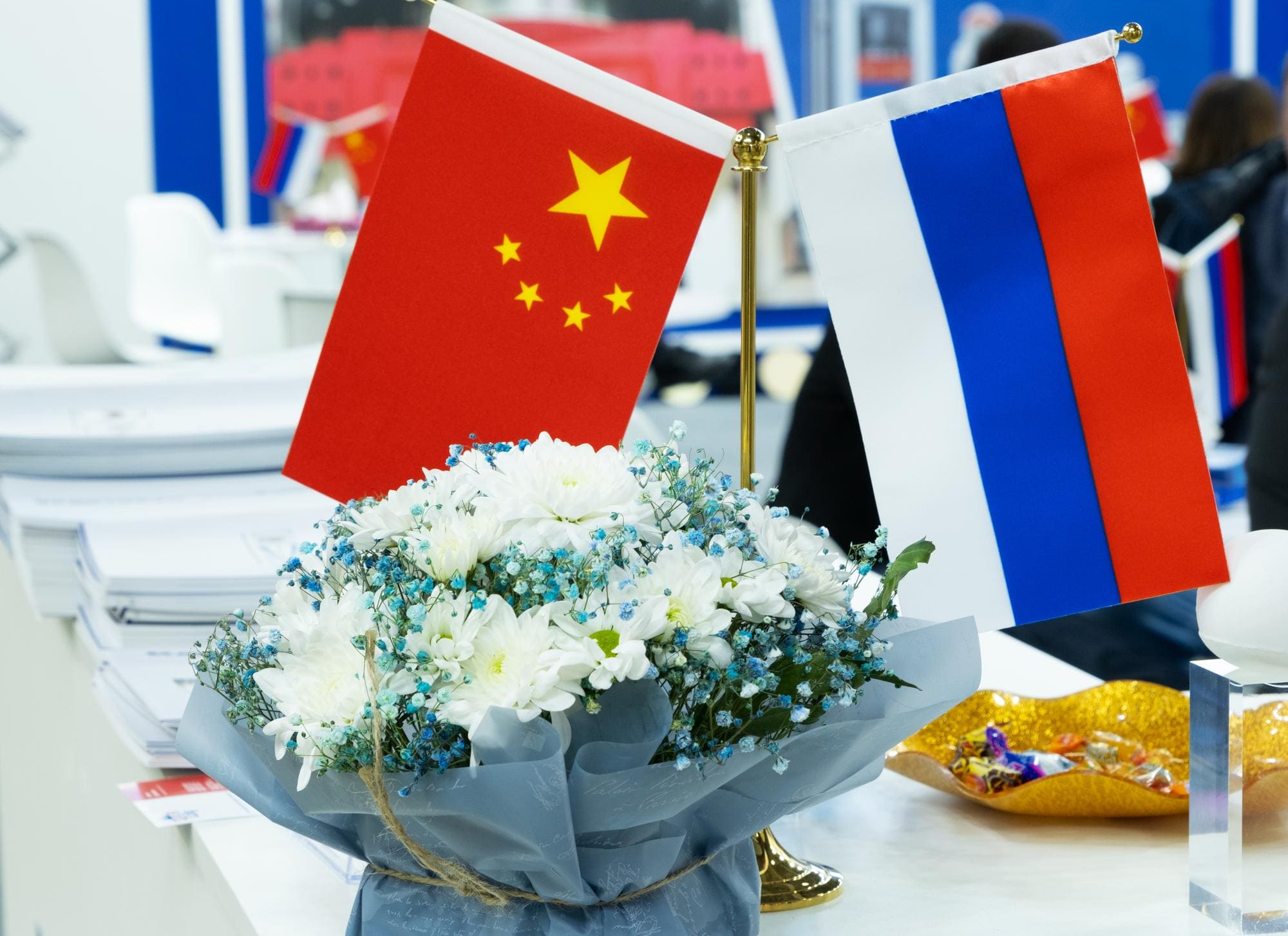
You signed a contract with a Russian manufacturer, established supply channels, are discussing new batches — and suddenly you notice that your partner has been out of touch for an entire week. They don’t respond in messenger, don’t confirm shipment, are silent even in email. What happened? Most likely, Russia is having holidays.
For those who work with the Russian market, knowing the holiday calendar is not just politeness. This is a practical skill that affects delivery schedules, payments, and customs clearance. And in Russian business culture, timely congratulating a business partner on a holiday is one of the simplest yet most effective ways to strengthen relationships and show respect for traditions.
Cross-cultural communication is made up of small details. One short message in a messenger before New Year can do more for your partnership than ten formal letters. Russian entrepreneurs value attention to their culture — especially when it comes from a foreign counterpart.
The G2R.Asia platform has compiled a complete list of holidays that are important to know, business etiquette rules, and ready-made congratulations with Russian translation that you can copy and send directly in a message.
Main Russian Holidays Important for the Business Calendar
In Russia, not all public holidays are equally important for the business environment. Some holidays are appropriate and even expected to congratulate on, others are optional. But knowing all of them is necessary at least to avoid awkward situations by sending work requests on non-working days.
New Year — December 31 – January 8
This is the main holiday of Russia. This is not an exaggeration. In terms of significance and emotional involvement of Russians, New Year is comparable to the Chinese Spring Festival (春节). The difference is that New Year holidays in Russia are fixed and last approximately 10 days — from December 31 to January 8 inclusive.
What does this mean for business? During this period, banks, customs, logistics companies, warehouses, and government agencies do not work. In fact, business activity freezes from the last week of December until January 10-12. If you are planning a shipment or expecting payment — factor in this downtime in advance.
Congratulating on New Year is not just appropriate — it is expected. Send a message on the last working days of December, usually the 28th-29th. Congratulations after the holidays are also acceptable, but they no longer produce the same effect.
Defender of the Fatherland Day — February 23
Formally, this is a military holiday, but in the business environment, February 23 has long turned into «Men’s Day.» On this day, it is customary to congratulate men — colleagues, partners, counterparts. Women are not congratulated on February 23.
This day is a holiday. If February 23 falls on a weekend, the Monday after it will also be a non-working day. For a foreign partner, congratulations on this holiday are a pleasant surprise that shows you understand Russian traditions.
International Women’s Day — March 8
If February 23 is Men’s Day, then in Russia March 8 is a full-fledged Women’s holiday. Its significance for Russians is much higher than in most other countries.
On this day, men give flowers and gifts to female colleagues — this is a cultural norm. If your contact manager, accountant, or logistics specialist on the Russian partner’s side is a woman, congratulations on March 8 will be a very appropriate and memorable gesture.
This is a holiday, and it also affects the work schedule.
Victory Day — May 9
Special delicacy is needed here. May 9 is a day of remembrance for the victory in World War II. Almost every Russian family has relatives who died or fought in the Great Patriotic War of 1941-1945.
Congratulations are appropriate, but the tone must be respectful and restrained. Do not use overly light or cheerful wording. The right words are «honor the memory,» «pay tribute,» «remember the feat.» Wrong ones — anything that sounds frivolous.
This is a holiday. Together with postponements, the May holidays (including May 1 — Labor Day) sometimes stretch for a week or more. This is the second longest non-working period of the year after the New Year holidays.
Russia Day — June 12
This is a relatively young public holiday — celebrated since 1992. For Russians, it is significant more as an additional day off than as a deeply felt date. However, congratulations are quite appropriate, especially if you have already established warm relations with your partner.
This is a holiday. If it falls on a Tuesday or Thursday, a long weekend is often created by transferring working days.
Professional Holidays
Here is something that can truly surprise your Russian partner: in Russia, there are dozens of professional holidays. Builder’s Day, Trade Worker’s Day, Mechanical Engineer’s Day, Metallurgist’s Day — and so on. Each industry has its own day on the calendar.
These dates are not holidays, but if you know what industry your partner works in and congratulate them on their professional holiday — this will make a strong impression. Such congratulations say: you are not just doing business, you understand what your counterpart lives for.
Business Congratulation Rules: How to Avoid Mistakes

The very fact of congratulating is good. But an incorrectly formatted message can spoil the impression. Russian entrepreneurs are quite sensitive to the formality and personalization of address. Here are the key rules to consider in business correspondence.
When to send. The day before the holiday or on the morning of the holiday. Not after. Congratulations sent two days after New Year look like they were forgotten and added «for the record.» The ideal time for New Year congratulations is December 28-29. For other holidays — the evening before or the morning of the day itself.
How to address. In Russian business culture, there is a system of addressing by first name and patronymic — this is the equivalent of a polite address, roughly like Mr./Ms. combined with the full name. If you know your partner’s name-patronymic (for example, Ivan Petrovich), use it. If the relationship is already informal — just the first name is acceptable. It is absolutely unacceptable to write an impersonal «Dear Partner» without specifying the name.
Personalization is more important than beautiful text. Russians instantly recognize template mass mailings. A short but obviously personally written message is ten times more valuable than a beautiful card sent to a hundred contacts. Mention the name, company name, or joint project — and your congratulations will be remembered.
Gifts: when appropriate. For messenger congratulations, a gift is not required. However, around New Year, a small gift is good form. Popular options: quality tea, sweets, souvenirs with your country’s symbols. Be careful with alcohol — not everyone will appreciate it. A gift that is too expensive may embarrass your partner.
What to absolutely avoid. Do not touch on politics, religious topics, do not joke about the army in the context of February 23. Do not be familiar until truly personal relationships have been established. And most importantly — do not send identical messages to different partners who may know each other.
Ready-Made Congratulations for Messenger: Copy and Send
Below are ready-made phrases for each holiday. For each, two versions are given: formal (for a new partner or manager) and friendly (for a partner with whom warm relations have already been established). All phrases are given in Russian with Chinese translation.
Replace [Имя] with your partner’s name or name-patronymic. Replace [Название компании] with their company name. Replace [проект/сотрудничество] with a mention of your joint work.
🎄 New Year (December 31 – January 8)
Formal congratulation:
Уважаемый [Имя Отчество], от всей души поздравляю вас с наступающим Новым годом! Благодарю за плодотворное сотрудничество в уходящем году. Желаю вам и компании [Название] успехов, процветания и новых достижений в наступающем году. С наилучшими пожеланиями!
尊敬的 [姓名],衷心祝贺您新年快乐!感谢您在过去一年里的合作。祝您和 [公司名称] 在新的一年里取得更大的成功与发展。致以最诚挚的祝福!
Friendly congratulation:
[Имя], поздравляю с Новым годом! Спасибо за отличную работу в этом году — было приятно сотрудничать. Пусть в новом году будет больше интересных проектов и хороших новостей. Здоровья вам и вашим близким!
[名字],新年快乐!感谢你今年出色的合作,和你一起工作非常愉快。祝新的一年有更多好项目和好消息,祝你和家人健康幸福!
🎖 Defender of the Fatherland Day — February 23 (send to men)
Formal congratulation:
Уважаемый [Имя Отчество], поздравляю вас с Днём защитника Отечества! Желаю крепкого здоровья, уверенности и успехов во всех начинаниях. Ценю наше партнёрство и надеюсь на дальнейшее плодотворное сотрудничество.
尊敬的 [姓名],祝您祖国保卫者日快乐!祝您身体健康、信心满满、事业有成。非常珍视我们的合作,期待未来继续共赢。
Friendly congratulation:
[Имя], с 23 февраля! Желаю сил, энергии и только побед — и в бизнесе, и в жизни. Рад, что мы работаем вместе!
[名字],二月二十三日快乐!祝你充满力量和活力,在事业和生活中都取得胜利。很高兴和你合作!
🌷 International Women’s Day — March 8 (send to women)
Formal congratulation:
Уважаемая [Имя Отчество], от души поздравляю вас с Международным женским днём! Желаю вам весеннего настроения, здоровья и благополучия. Спасибо за ваш профессионализм и внимание к нашему сотрудничеству.
尊敬的 [姓名],衷心祝贺您国际妇女节快乐!祝您拥有春天般的好心情、身体健康、一切顺利。感谢您的专业精神和对我们合作的关注。
Friendly congratulation:
[Имя], поздравляю с 8 марта! Пусть этот день принесёт вам радость и улыбки. Спасибо, что с вами так легко и приятно работать. Весеннего тепла и хорошего настроения!
[名字],三八妇女节快乐!愿这一天带给你欢乐和笑容。和你合作总是轻松愉快,谢谢你!祝你拥有春天的温暖和好心情!
🎗 Victory Day — May 9
Formal congratulation:
Уважаемый [Имя Отчество], поздравляю вас с Днём Победы. Этот день — символ мужества и стойкости. Желаю вам и вашим близким мирного неба и благополучия. С глубоким уважением.
尊敬的 [姓名],值此胜利日之际,向您致以诚挚的祝贺。这一天是勇气与坚韧的象征。祝您和您的家人平安幸福。致以深深的敬意。
Friendly congratulation:
[Имя], с Днём Победы! Важный день для всех нас. Мира, здоровья и благополучия вам и вашей семье.
[名字],胜利日快乐!这对我们所有人来说都是重要的一天。祝你和家人平安、健康、幸福。
🇷🇺 Russia Day — June 12
Formal congratulation:
Уважаемый [Имя Отчество], поздравляю вас с Днём России! Желаю процветания вашему бизнесу и успехов в реализации всех планов. С наилучшими пожеланиями от имени [ваша компания].
尊敬的 [姓名],祝贺您俄罗斯国庆日快乐!祝您的事业蒸蒸日上,所有计划顺利实现。[您的公司] 致以最诚挚的祝福。
Friendly congratulation:
[Имя], с Днём России! Хороших выходных и отличного настроения. До связи после праздников!
[名字],俄罗斯国庆日快乐!祝你假期愉快、心情美好。假期后再联系!
🏗 Professional Holiday (example: Builder’s Day)
Formal congratulation:
Уважаемый [Имя Отчество], поздравляю вас с профессиональным праздником — Днём строителя! Ваша работа заслуживает большого уважения. Желаю новых успешных проектов и крепкого здоровья. Рад нашему сотрудничеству.
尊敬的 [姓名],值此建筑工人节之际,向您致以节日的祝贺!您的工作值得极大的尊重。祝您新项目顺利、身体健康。很高兴与您合作。
Friendly congratulation:
[Имя], с профессиональным праздником! Знаю, как много вы вкладываете в своё дело. Так держать — и пусть всё получается!
[名字],祝你职业节日快乐!我知道你在工作中付出了很多努力。继续保持,祝一切顺利!
How Holidays Affect Procurement and Supply Planning
Knowing holidays is important not only for congratulations. For those engaged in cross-border trade with Russia, holiday periods are high-risk zones for delivery schedules. Here are the main periods to consider when planning.
New Year holidays (late December — January 8-10) — the most critical period. About 10 consecutive non-working days. Banks do not work — bank transfers do not go through. Customs clearance is suspended. Warehouses and shipments are stopped. Logistics companies operate in limited mode or do not work at all. Place orders and agree on shipments no later than mid-December. Payments are best made before December 25.
May holidays (May 1-9) — the second longest non-working period. May 1 is Labor Day, May 9 is Victory Day. With the postponement of weekends between these dates, an extended period with minimal business activity is formed. There may be delays in the production cycle, shipments, and responses from partners.
November holidays (November 4 — National Unity Day) — less prolonged, but with postponements can create 3-4 consecutive non-working days.
Gender holidays (February 23 and March 8) — one day off each, but with postponements can form long weekends.Practical advice from the G2R.Asia platform: at the beginning of cooperation, ask your Russian partner for their annual work calendar. In Russia, an official calendar with postponed weekends is approved every year — and it differs from the standard work week. This will allow you to plan purchases, approvals, and deliveries in advance without unpleasant surprises.